When ordering branded products, most people send us the logo file they have to hand – usually a PNG or JPEG, without realising it’s not always the best format for production.
If that’s you, don’t worry. It’s very common, and it’s rarely a blocker.
For branded products, we ideally work with vector artwork so logos can be scaled correctly across different products and decoration methods.
Below, we explain which artwork formats work best, why they matter, and what we can do if you don’t have them yet.
Video: Artwork Formats Explained
In this short Branded Product Minute, Steel City’s MD James explains why vector artwork is essential for branded products – and why there’s always a solution if you don’t have the right file yet.
What artwork formats work best for branded products?
For production, we ideally need your artwork supplied as a vector file. Vector artwork stays sharp at any size, making it suitable for everything from small promotional items to larger branded products.
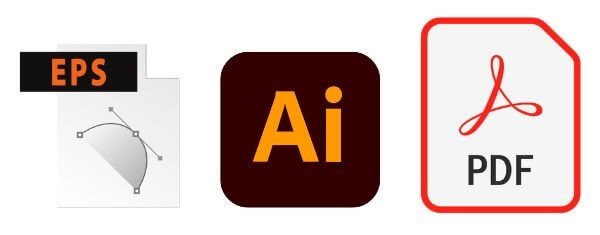
The most suitable formats are:
- AI (Adobe Illustrator Artwork)
- EPS (Encapsulated PostScript)
- High-resolution PDF (Portable Document Format)
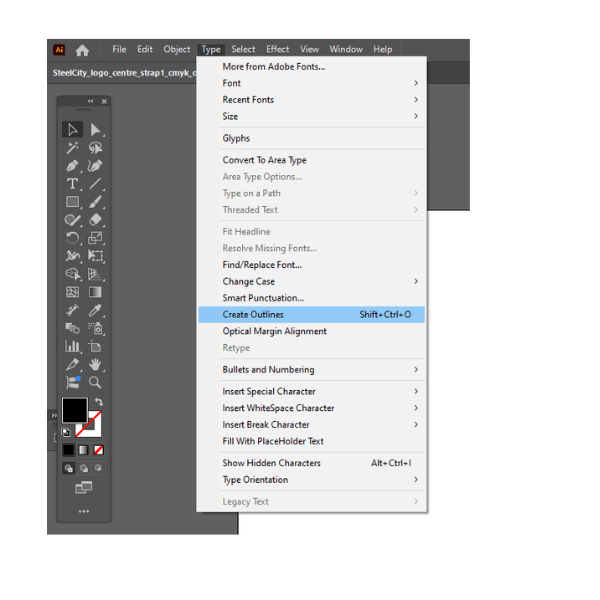
Artwork should also have all paths outlined, allowing us to create production-ready visuals without font issues.
Only have your logo as a PNG or JPEG?
This is absolutely fine to send, and very common.
Low-resolution files such as PNG, JPEG/JPG or JFIF aren’t suitable for production, but they can usually be redrawn into a usable vector format at a low cost.
If you’d like to make tweaks to your logo, add a website address or adjust layout, we can take care of that as part of the process.
There’s almost always a solution.
What if my logo was created in Canva?
Many new businesses create their first logo using tools like Canva or other online design platforms.
They’re a great way to start building a brand and quickly create graphics for websites or social media. However, logos downloaded from Canva are often supplied as PNG or JPEG files, which are raster formats. Even when your artwork is downloaded as a PDF, it isn’t high enough quality and the fonts aren’t always outlined.
These files look fine on screen but aren’t always suitable for printing on branded merchandise. Production methods such as embroidery, engraving and screen printing usually require vector artwork so the logo can be scaled without losing quality.
If your logo was created in Canva, don’t worry. Simply send over whatever files you have and we can usually convert or redraw the artwork into a vector format so it can be used for branded products.
▶ Watch our short video explaining why Canva logos can cause issues for print.
Sending brand guidelines or logo files
If you’re unsure which format your artwork is in, sending your brand guidelines or brand book often gives us everything we need. These usually include your logo supplied in the correct vector format.
Alternatively, your original logo files from your graphic designer are often perfect – even if they’re a few years old.
The artwork proofing process
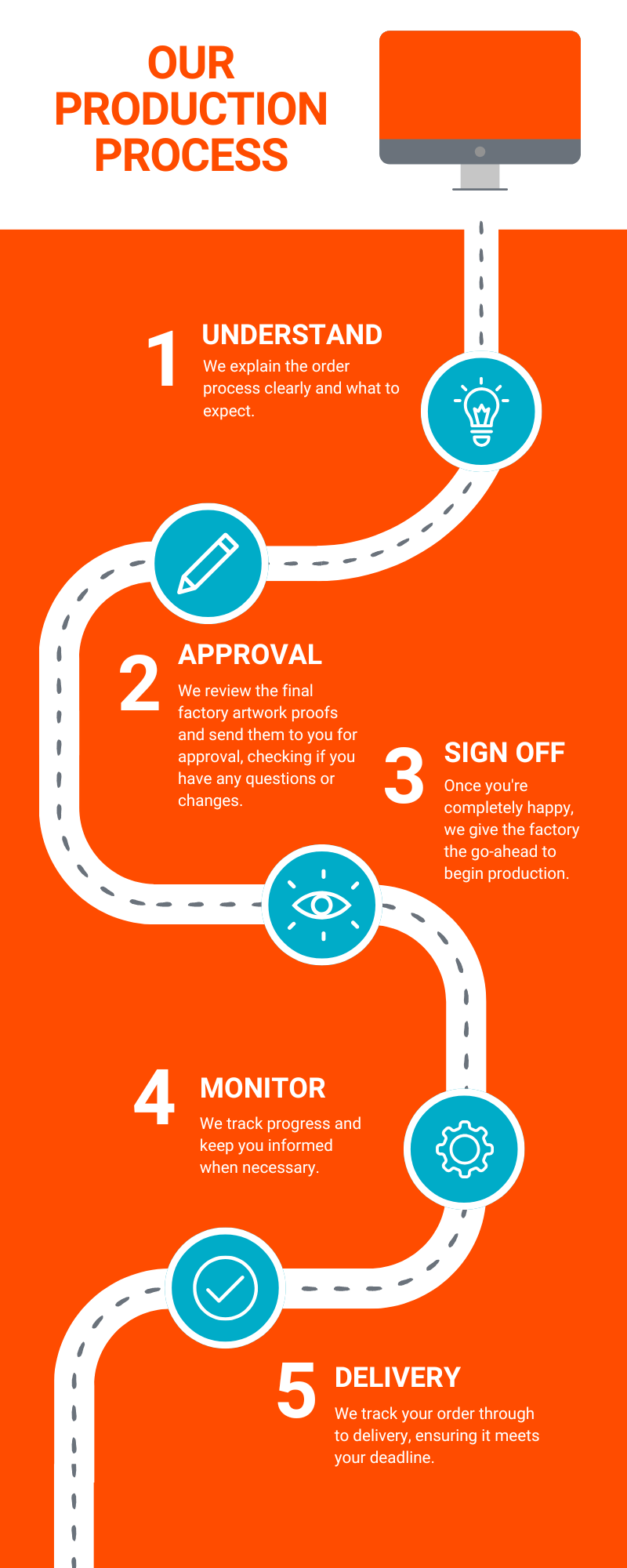
Once your artwork is in the correct format, we’ll create visuals (also known as mock-ups) showing how your branding will look on the chosen products.
This proofing stage allows you to review and approve everything before production begins. Once approved, we’ll instruct the manufacturers to start producing your branded items.
Frequently Asked Questions: Artwork Formats for Branded Products
What logo file formats work best for branded products?
Vector artwork works best, as it can be scaled without losing quality. The most suitable formats are AI, EPS and high-resolution PDF.
I only have my logo as a PNG or JPEG – is that a problem?
Not at all. This is very common. PNGs and JPEGs aren’t suitable for production, but they can usually be redrawn into a vector format so your logo can be used on branded products.
Can I use a Canva logo for branded merchandise?
Yes, but Canva logos are usually downloaded as PNG, JPEG or low res PDF files, which are not ideal for production. In most cases the artwork can be converted or redrawn into a vector format so it can be used for printing on branded products.
What is a vector file?
A vector file is made up of paths rather than pixels. This means it can be resized up or down without becoming blurry or pixelated, making it ideal for logos and branded products of all sizes – from pens to exhibition banners.
What’s the difference between vector and raster files?
Vector files can be resized infinitely without losing quality. Raster files are made from pixels and can lose clarity when resized. These are best suited to photography and screen use rather than production.
Vector formats include AI, EPS and PDF.
Raster formats include PNG, JPEG/JPG, GIF and TIFF.

What is an AI file?
An AI (Adobe Illustrator Artwork) file is a vector-based format commonly used for logos and icons. It’s ideal for branded products because it can be scaled without losing quality.
What is an EPS file?
An EPS (Encapsulated PostScript) file is made and formatted in Adobe Illustrator. It is an older type of vector graphics file than more modern formats like AI, but it is still widely used in production.
EPS files are vector-based, can be enlarged without becoming pixelated, and can contain both text and graphics.
What is a print-ready PDF?
A print-ready PDF is a high-resolution PDF that contains editable vector artwork. When created correctly, it can be opened in design software and used for production.
What does “paths outlined” mean?
Outlining paths means converting text into vector shapes rather than leaving it as an editable font. This ensures everything appears exactly as intended when the artwork is opened for production, even if the font isn’t available.
Do you need my brand guidelines or brand book?
If you have brand guidelines or a brand book, these are often enough. They usually include your logo supplied in the correct vector format.
What happens after I send my artwork?
Once your artwork is in the correct format, we’ll create visuals (mock-ups) showing how your branding will look on the chosen products. You’ll approve these before production begins.
Colour considerations for branded products
Colour is also an important part of preparing artwork for branded products, as different materials can affect how colours appear.
For example, a PU notebook and an RPET travel mug may both be blue, but due to material differences, the shades may vary slightly. If you’re selecting multiple items for a marketing campaign, our team can advise on colour choices and recommend products that will work well together.
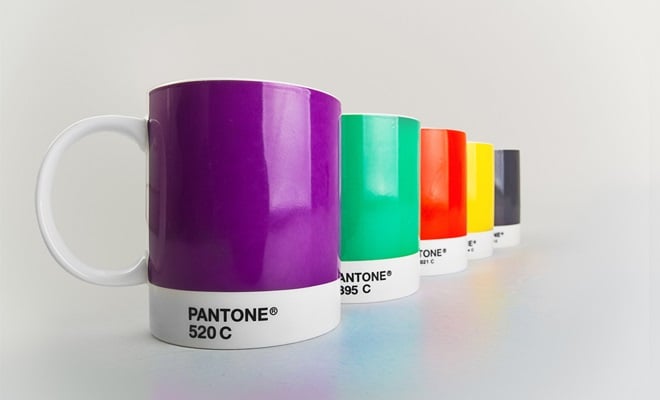
There are two common approaches to help avoid colour inconsistencies:
Neutral product base
Choose a neutral product colour such as white, black or grey, and use your logo to introduce brand colour. This works well across a wide range of materials and product types.
Pantone-matched products
For a closer match to your brand guidelines, Pantone-matched products offer a more consistent and unified look, helping maintain colour accuracy across different items.
For a more detailed explanation, watch our video below.
Need help with artwork formats?
If you’re unsure whether your artwork is suitable, send us what you have and we’ll advise on the best next step.
You can call the team on 0114 275 4150 or contact us here.
Related Branded Product Minute guides
If you’d like more practical guidance on branded products beyond artwork preparation, you can explore our Branded Product Minute video series.
Or, if you’re thinking about what to order next, our guide to choosing useful branded products is a good place to start.
Blog Updated: 13th March 2026