
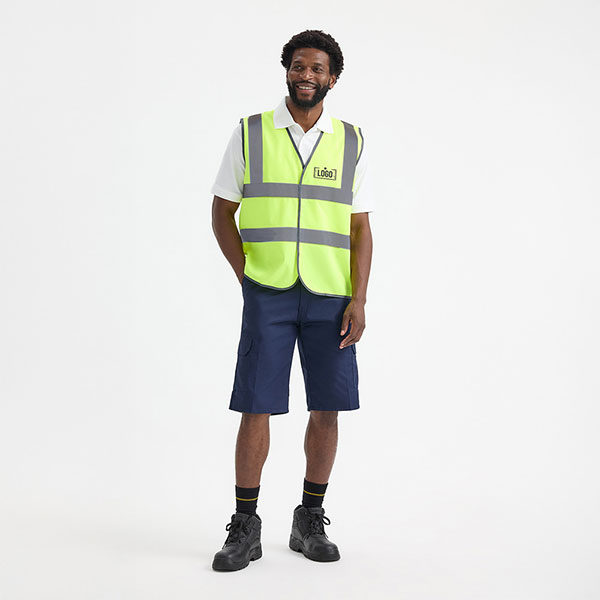
Hi Vis Safety Waistcoat
From £1.99
Minimum order 50 units at £2.59 each
Call us on 0114 275 4150 or email us here
Browse below our online collection of branded safety wear.
Hi Vis Safety Waistcoat
From £1.99
Minimum order 50 units at £2.59 each
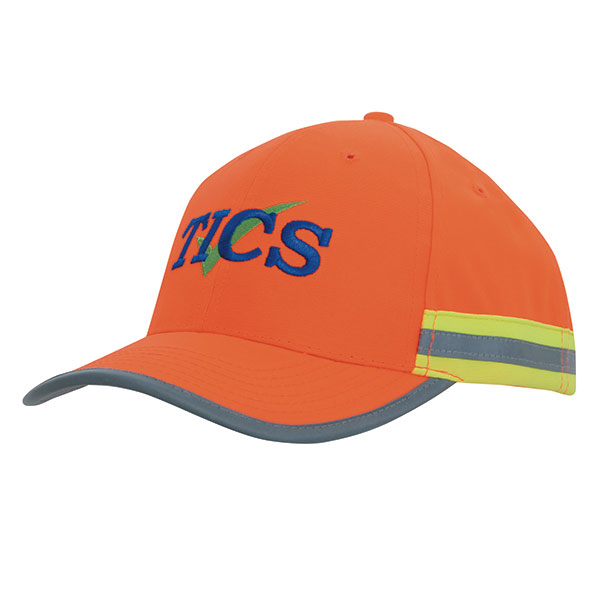
6 Panel Hi Vis Cap
From £4.75
Minimum order 50 units at £6.14 each
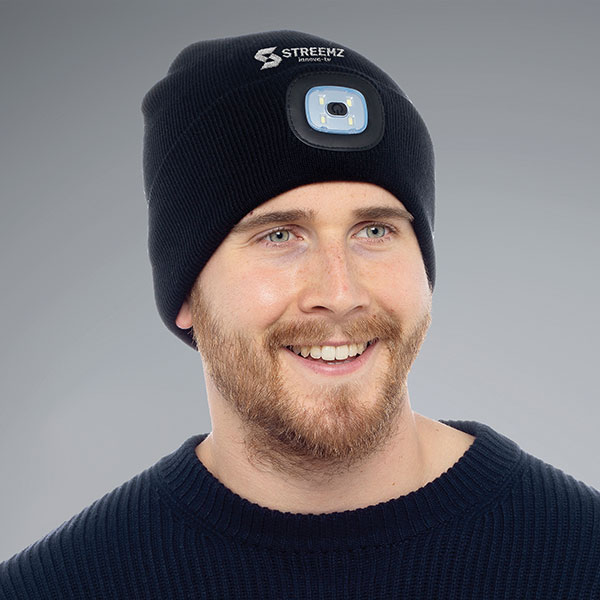
Rechargeable LED Beanie
From £6.49
Minimum order 50 units at £8.91 each
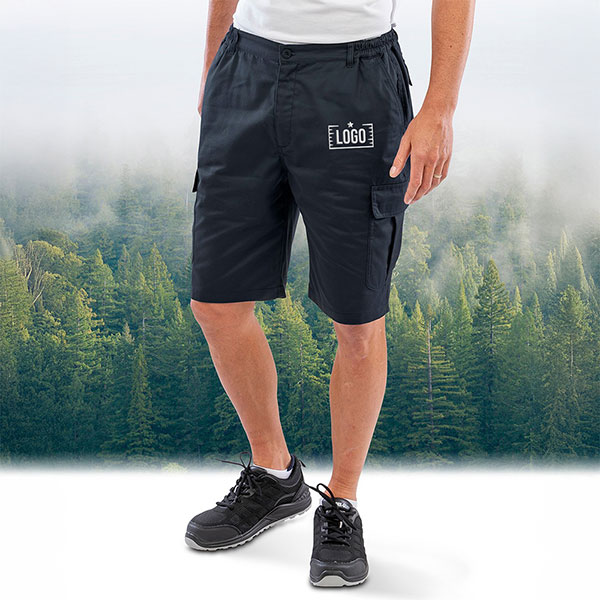
Result Recycled Workguard Utility Shorts
From £12.85
Minimum order 25 units at £15.33 each
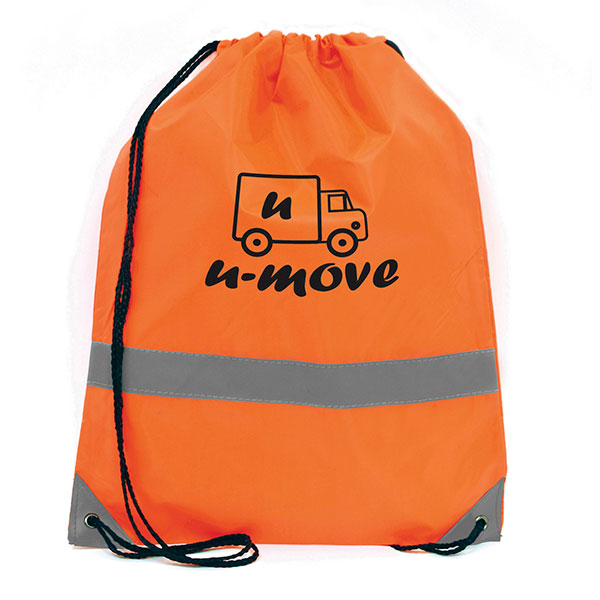
Celsius Hi Vis Drawstring Bag – 1 Colour
From £1.63
Minimum order 100 units at £2.17 each
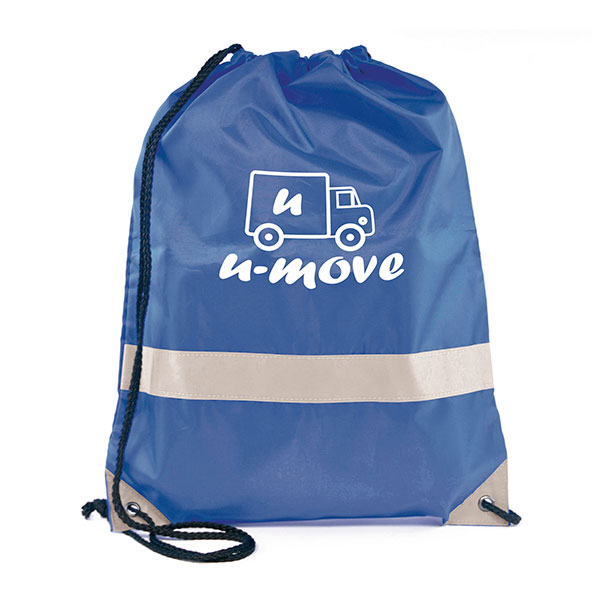
Celsius Hi Vis Drawstring Bag – Full Colour
From £2.94
Minimum order 100 units at £4.14 each
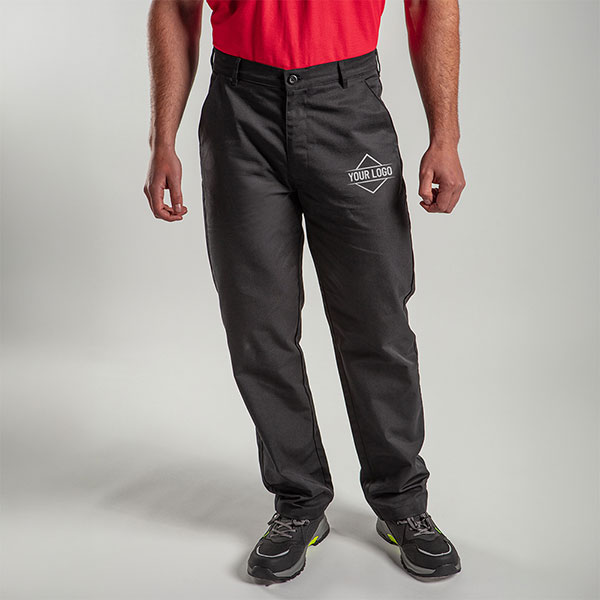
RTX Pro Workwear Trousers
From £15.93
Minimum order 25 units at £18.99 each
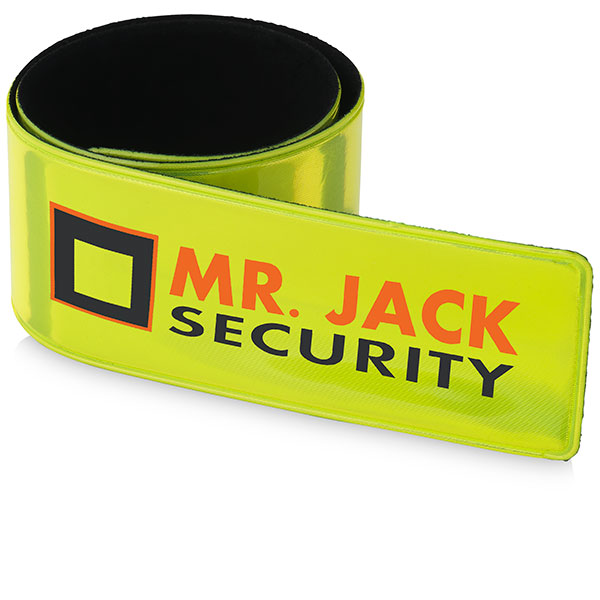
Hitz Reflective Slapwrap Wristband
From £1.74
Minimum order 100 units at £2.32 each
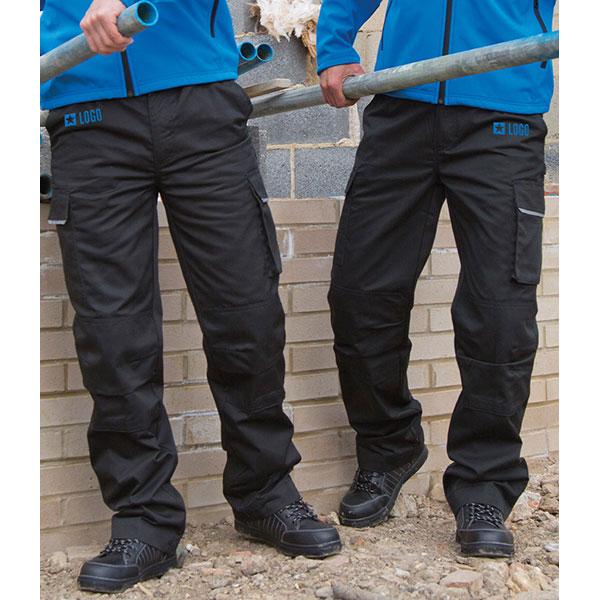
Result Workguard Action Trousers
From £19.81
Minimum order 10 units at £23.38 each
At Steel City, we select hi-vis and workwear with the same care we’d take if we were issuing it to our own crew. It’s really important that we check the standard first, and then choose garments that can take your branding beautifully without compromising on visibility.
We know that when you’re kitting out a site team, small misses can cause big delays. That’s why our proofing and repeat-order processes are so tight—we want to help you avoid those usual frustrations like the wrong class, the wrong shade of orange, or branding that sits across the tape. It’s about making sure that when you need a top-up, it matches your previous order perfectly.

With 23 years’ experience, Debbie is known for her attention to detail, friendly manner, and commitment to great customer service.
1 week ago

We've used Steel City for some physical collateral, not only is this of fantastic quality but the service and communication is impeccable. Would highly recommend if you're looking for a full end-to-end service.

Rob Dumbleton
4 weeks ago
Great service from the team from recommendation of products through to design and delivery. Would highly recommend!

Rachel Storey
1 month ago
Excellent products — durable and great quality. The service from all the staff was exceptional throughout. I wouldn’t hesitate to use Steel City again and would definitely recommend them.

Claire Hanna
2 months ago
Second time ordering from Steel City. The team has been marvellous once again. Very attentive to my requests, and in this occasion - very short deadline. They were quick to respond, and delivered on time in spite of the challenge of time. Always respond quickly and very proactive. I highly recommend this company for any marketing needs. Their brouchure is full of ideas and nothing is out of reach. Thank you once again team!

Yael Leinman
4 months ago
Just wanted to share some overwhelmingly positive feedback about James and his incredible team. I recently placed a very small, but crucial, order for an embroidered puffa jacket. My original supplier completely let me down, calling late on a Friday afternoon (3:00 PM) to push the committed delivery date from Tuesday to Thursday, which was too late for our filming schedule. In a panic, I called James's team at 3:05 PM that same Friday, honestly expecting a firm "no." However, I was met with unbelievably helpful and flexible service. The team, specifically Rowan and David, were absolutely first class! They went above and beyond, making it seem like nothing was too much trouble. Thanks to their efforts, the jacket will now be delivered on Wednesday—a whole day before we need it for filming! This is old-school customer service at its very best. I can't thank James and the team enough and will absolutely be ordering from them again in the future. Highly, highly recommend!

Zara-Louise Denby
4 months ago
“Really happy with service from start to finish! Quick turnaround from ordering to receiving products.”

andrew futter
5 months ago
Steel City supplied magnets for us recently on behalf of one of our charity sector clients. Both David & Rowan from initial quote, through to overseeing the project itself were brilliant. Very pleased with the finished product, and quicker than initially expected. Thanks again, Marc

Marc Bickers
5 months ago
Great service from start to finish and excellent product.

Toby Robinson
5 months ago
Fantastic all round, great communcation from Rowan and the team, products came exactly as described, really simply process would 100% recommend using them, very trustworty.

Kate Harvey
6 months ago
We used Steel City Marketing for company merchandising and had a brilliant experience. Quick turnaround, open communication, and high-quality on delivery! Shout out to Debbie and Rowan! Would absolutely recommend.

Zander Monty
8 months ago
Communication and customer service was excellent. High quality product. Thank you Rowan.

Mohammed Abdulla
9 months ago
James and Rowan were super helpful in helping us finalise our plans and delivered a product we are super happy with! :-)

Destination Ripon
11 months ago
A huge thank you to Rowan and Debbie at Steel City for all their help with our new merchandise for our rebranding launch! They were a dream to work with, super friendly and responsive! Communication was absolutely on point throughout the whole process, which made everything run so smoothly. The merch looks fantastic and really brought our new brand to life. I can’t recommend them enough!

Louise Fairhurst
11 months ago
Delighted with the service, the product and the prompt delivery - thank you 😀

Graham Dunn
12 months ago
Had a fantastic experience ordering products through Steel City. From very first contact through to delivery everyone was very helpful and professional, keeping me informed at every step of the way, and ensured a speedy outcome - an extremely efficient process from start to finish.

Jonathan Couch
12 months ago
These guys are super. They are all very personable and incredibly easy to work with, and will stop at nothing to make sure the order is exactly right. We have made three orders from them now and have been really pleased each time.

Jacob Baldwin
1 year ago
A really quick turnaround and they were happy to do whatever changes were needed. Amazing service, thank you so much!

Sophie Barnett
1 year ago
Great service from the whole team from ordering, through fulfilment to billing. Staff were all friendly and accommodating to our needs and made great suggestions to our order - thank you. Will use again!

Claire C
1 year ago
I ordered name badges from Steel City, the communication from Rowan and the final product were first class, I will definitely use them again.

David Roberts
1 year ago
We have used Steel City a number of times and this order was no different - a fast, friendly and efficient service from start to finish! Highly recommended for any and all branded goods!

Chantries and Pewleys Estate Agents
1 year ago
Excellent customer service throughout the whole process - from initial contact through to delivery. I was kept informed at each stage. Friendly and helpful staff. Thanks.

Rebecca Norton
1 year ago
Ordered loads of branded merch from them (we're talking in the 1000s) multiple times over the past few years and they never fail to be absolutely spectacular with their customer service, general friendliness and their helpfulness! The merch is top notch quality, and will happily continue using Steel City for many orders to come! Hugely recommend!

Jordon Horn
1 year ago
We have ordered several branded products from Steel City, and we have been extremely impressed by both the quality of the products themselves and also the service we've received from their fantastic team. Georgia in particular has been brilliant - her friendly demeanour and genuine willingness to help us make the right decisions for our business made the entire process seamless. No question was too trivial, and no request was ever too much trouble for her. Steel City has earned our trust as a reliable and customer-focused company, and we wouldn’t hesitate to recommend them to anyone looking for high-quality branded products with exceptional service to match. Thanks guys!

Carleys
1 year ago
I have known Steel City Marketing for many, many years and always find them extremely professional. The whole process: from responding to my initial inquiry; through to tracking delivery is managed in a super professional way. On top of that - they are lovely, friendly people ... highly recommended :-)

Patrick Ross
1 year ago
Seamless from start to finish. Very helpful company, brilliant product and delivery on time. Couldn't recommend more.

Catriona McDonald
1 year ago
We are delighted with our branded hoodies. The team are a pleasure to work with and provided an excellent service on a tight deadline. Thoroughly recommend Steel City Marketing.

Richard Kerr
1 year ago
Good quality products, competitively priced with excellent communications throughout the whole process.

Dave Lawrence
1 year ago
Requirements met quickly, professionally and customer service was 100%. Well done to Georgia and Rowan

Nikki Pestana
1 year ago
Fabulous fast and friendly service, cracking banner :)

Mai Mai Steele
1 year ago
Very helpful and friendly customer service, and great job on pin badges produced for our Freshers campaign

Showroom Cinema
1 year ago
Absolutely A-1 in every area. From design, to communication, to delivery, processing, speed, quality of products - exceptional!

Katie Bell
2 years ago
My first time using Steel City BM, what a great service, we delayed things and messed them about a bit but they still came up trumps, got the merchandise we wanted, printed with our Logos and delivered within the very short timeframe we gave them, excellent service. I would highly recommend using them

anth thompson
2 years ago
I am a repeat customer for a good reason and have been for years. Never let me down, courteous, friendly service, quality goods, lovely efficient firm to deal with (exemplary COMMUNICATION as well, which seems to be a commodity fast diminishing between client and supplier these days) and going forward I’ll be back again - at least twice a year with ever increasing volumes. Can’t recommend them highly enough. Great firm.

Milly Johnson
2 years ago
Really easy to work with and the merch was great quality

Georgina Whitham
2 years ago
Recently sourced products from Steel City and couldn't be happier! From the initial enquiry to the delivery of the products, every step of the process was handled with the utmost professionalism and care. The quality is exceptional, the customer service is outstanding, and the delivery was prompt. I highly recommend them to any business looking for reliable, high-quality suppliers. Thank you for exceeding our expectations!

Georgina T
2 years ago
Ordered a bulk order of 500 branded notepads on the Monday and they had been delivered on the Friday! Impressively fast. Great quality products, and the customer service is the best i've experienced- both Rowan the Sales Administrator and Debbie the Account Manager were excellent, very rapid email response with all the info needed. We will continue to use Steel City for our company's branded merch.

Amber Robinson
2 years ago
Can't rate the team at Steel City Marketing highly enough. I've ordered a few different promotional items just recently and every single time, from start to finish, the service from Georgia & Rowan in particular, has been first class. Each item we have had (leather key fobs, feather flags and printed bags) are of an excellent quality and have been produced to a very high standard. I've always been pleasantly surprised at the quality, speed and with the exceptional service this company has always fulfilled our orders.

Grooms Garage
3 years ago
Brilliant service from start to finish. Rowan went that 'extra mile' to keep me informed on progress.

John Nix
2 years ago
Highly recommend Steel City for all promotional items and gifts. The team were very helpful and supportive in helping us source what we were looking for and sent multiple free samples for us to test the quality prior to us making a final decision. Highly recommend Steel City and look forward to working with them again in the future. - Review on behalf of AUMA Actuators Ltd.

Callum Hopkins
2 years ago
“As always, the service was fast and reliable with my favourite bit being the communication. As a customer you know exactly what to expect at every point of the process because your expectations are managed beautifully and all information is communicated well.”

Kimberly Sewell
2 years ago
Excellent service and produced items once again from Debbie and the whole team at Steel City. I won't go anywhere else for my promo items.

Andrew Williams
2 years ago
Super speedy process and the team were on hand throughout! Highly recommend - thank you again!

Hannah Williams
2 years ago
Fantastic experience using Steel City from the minute I emailed James about my requirements to the finished product being delivered. Can't speak highly enough of Rowan for her regular communication and letting me know how things are progressing.

Karen Leeder
2 years ago
Great experience of using Steel City, nothing was too much trouble, everyone within the team that we dealt with were really helpful, will definitely be using them again!

Katie Peel
2 years ago
Good Products, good service - kept informed all the way - Steel City met my expectations which are pretty high - nicely done SC...

Martin Wilson
2 years ago
The team at Steel City have been extremely helpful whilst ordering new merchandise for a small charity. They came up with suggestions for the products, enhanced the logo and offered an excellent price. Overall very friendly and efficient and we are delighted with the final products.

Anne S
2 years ago
Excellent customer service and communication, good turnaround times and a quality product. Many Thanks!

Joy Arnott
2 years ago
Excellent customer service

Helen Wathall
2 years ago
Great communication, good prices and excellent quality products. Thank you.

Lisa Woodhouse